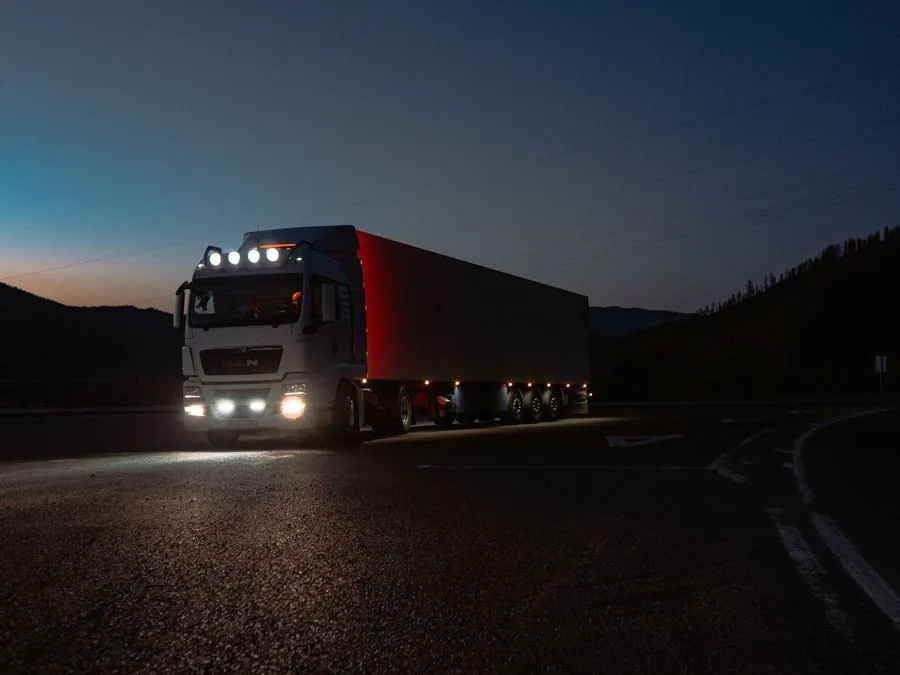
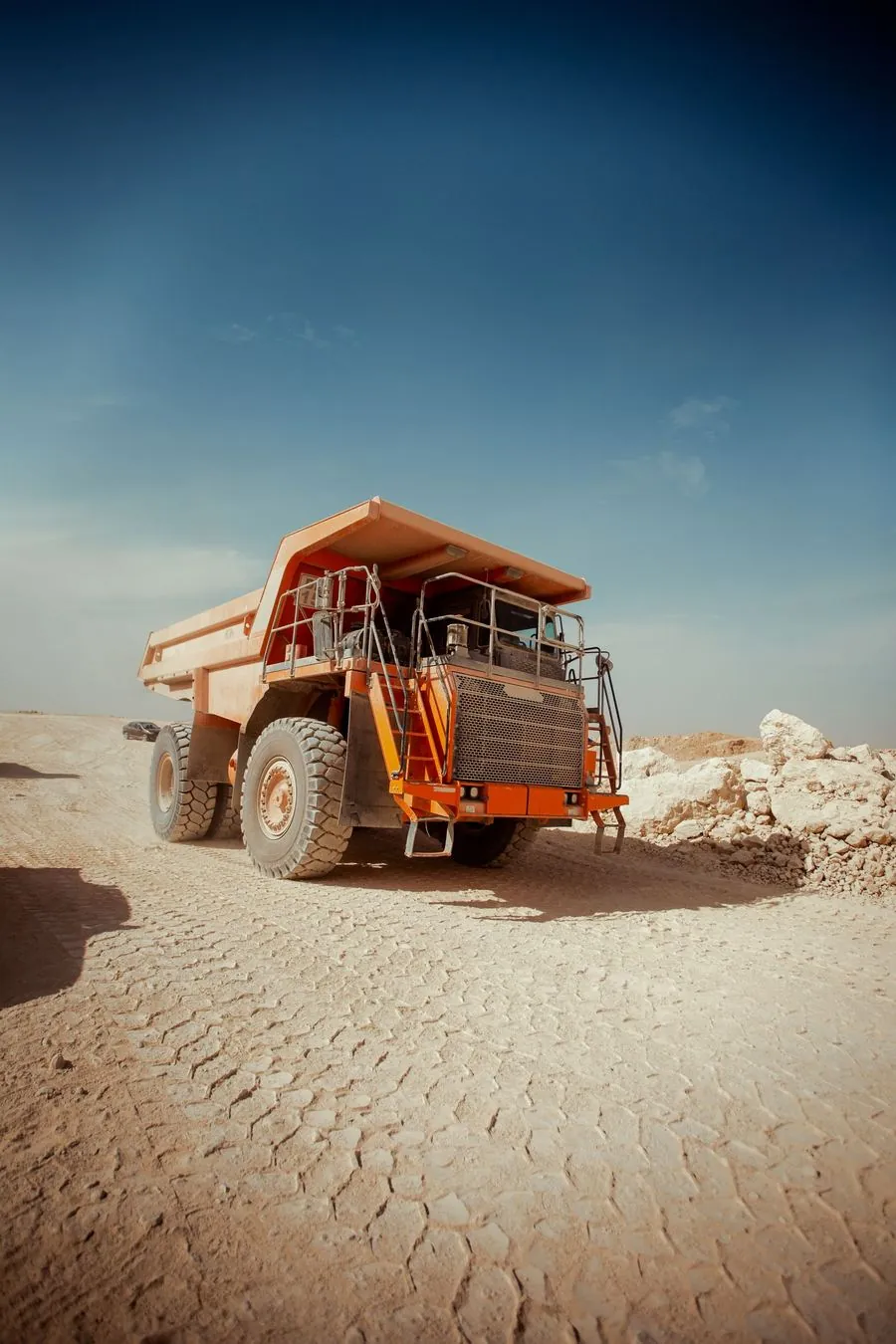
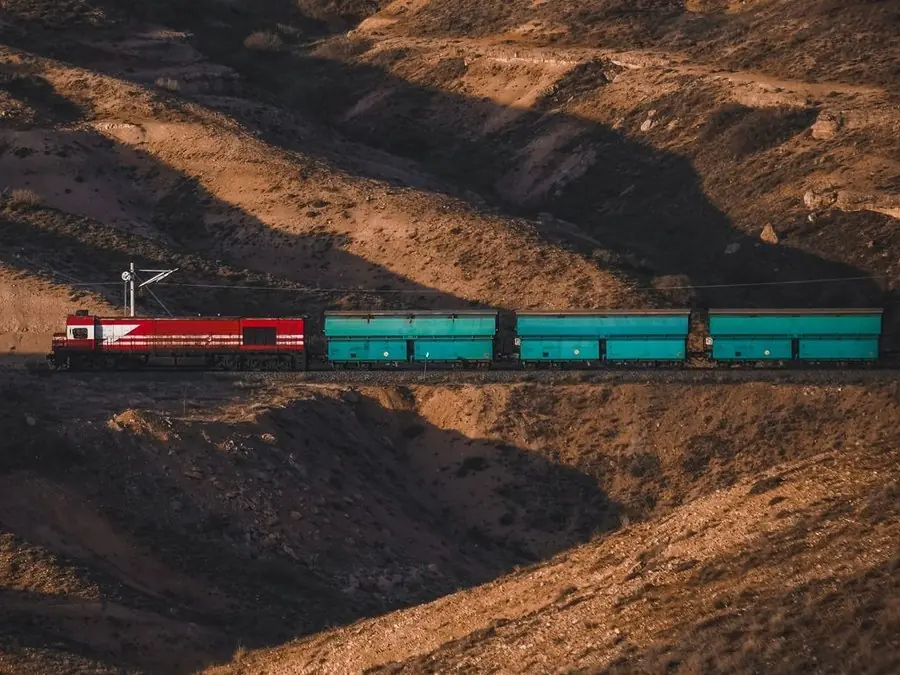

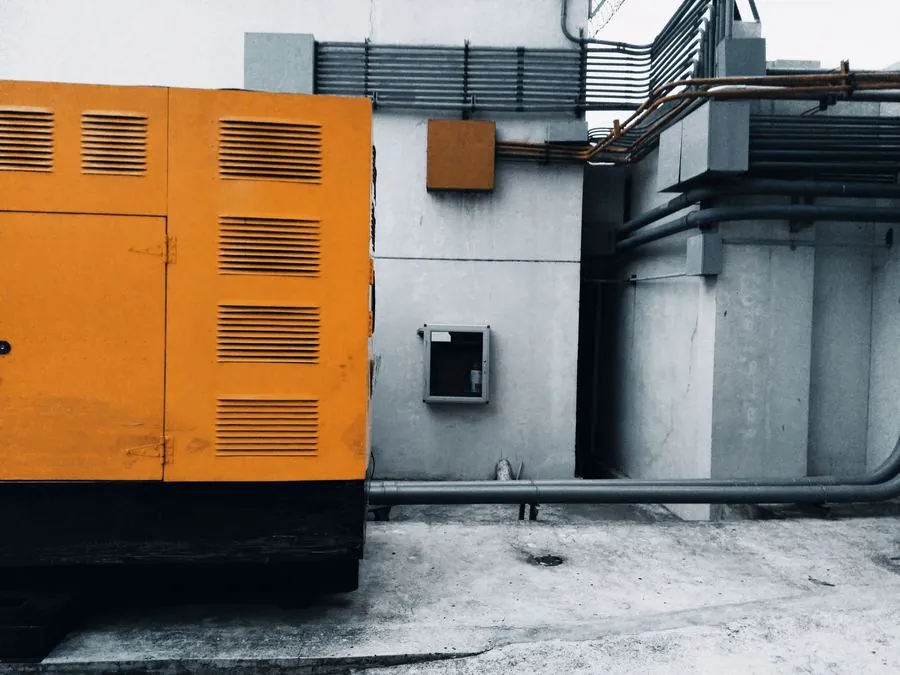
Less fuel.Lower emissions.Your tanks, monitored.
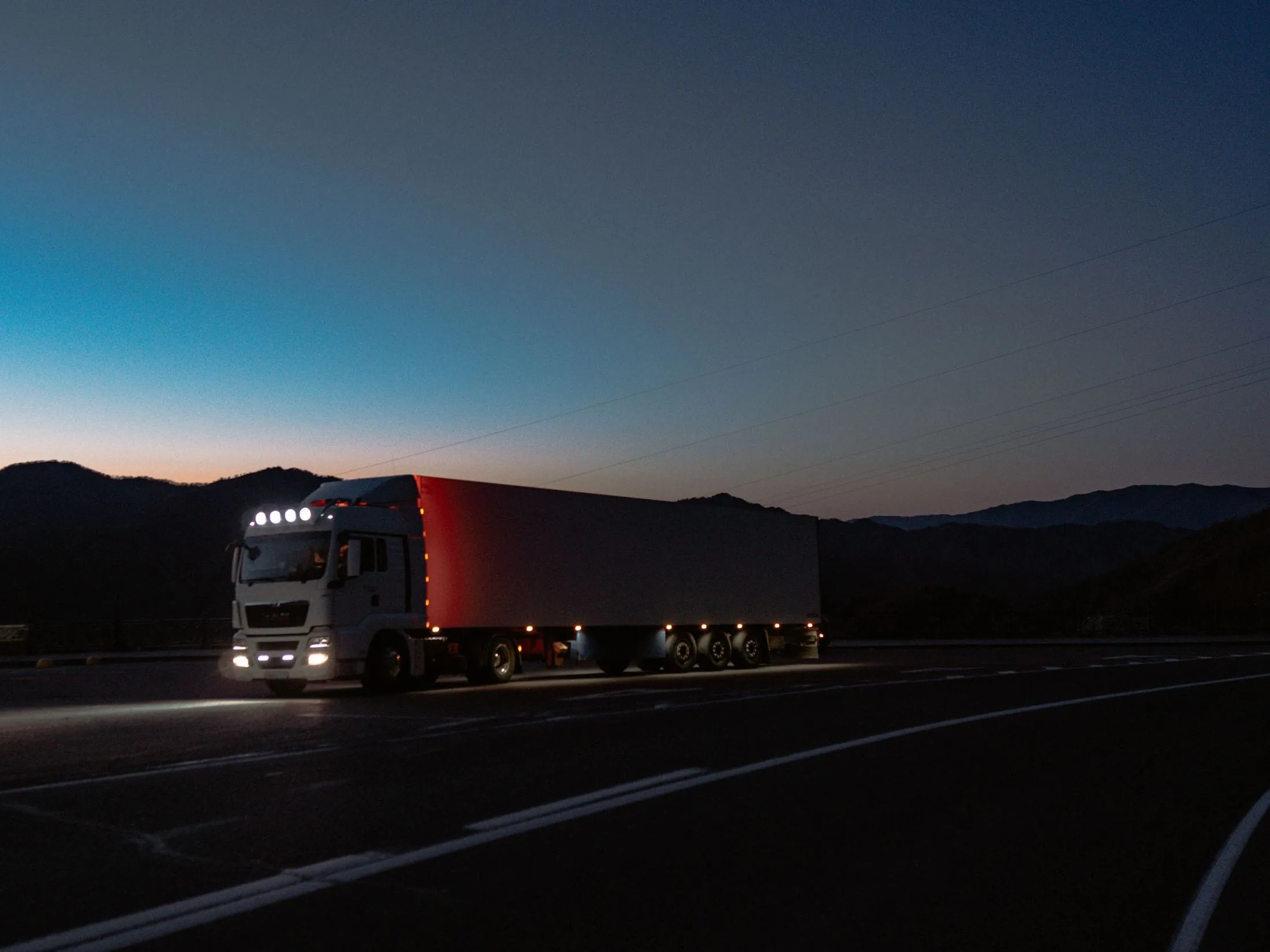
The Comet catalyst fits on the fuel line of your trucks, equipment and generators and reduces their consumption. Fuel level sensors and GPS tracking show you the route, the stops and any unexplained fuel loss.
Fuel is one of your largest operating costs, and each liter is hard to trace.
Fuel goes missing with no record of when or how.
A client or an authority asks for your emissions figures, and you have no documented data to give.
Three components. One system.
One component reduces fuel use. Two monitor it continuously.
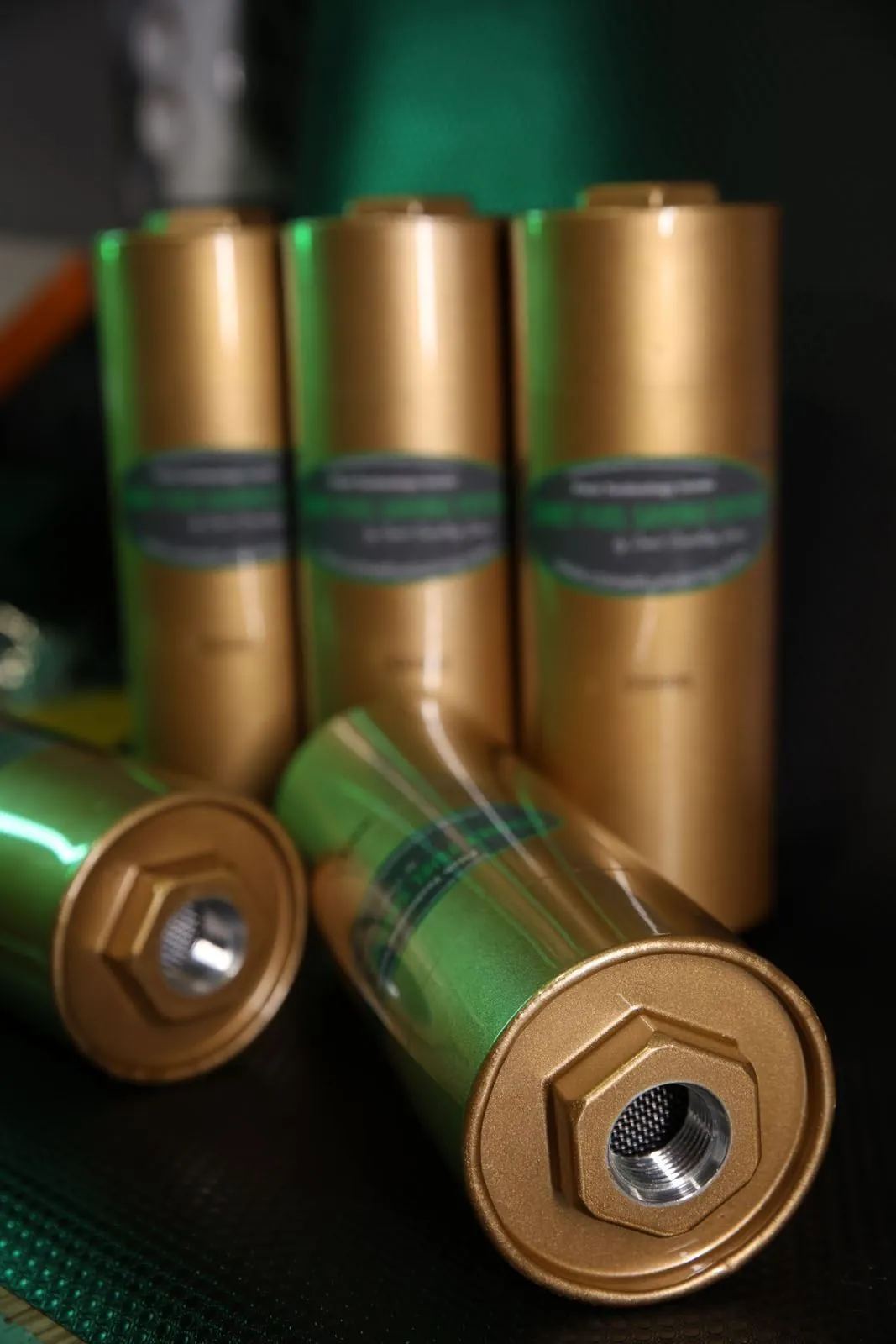
The Comet catalyst
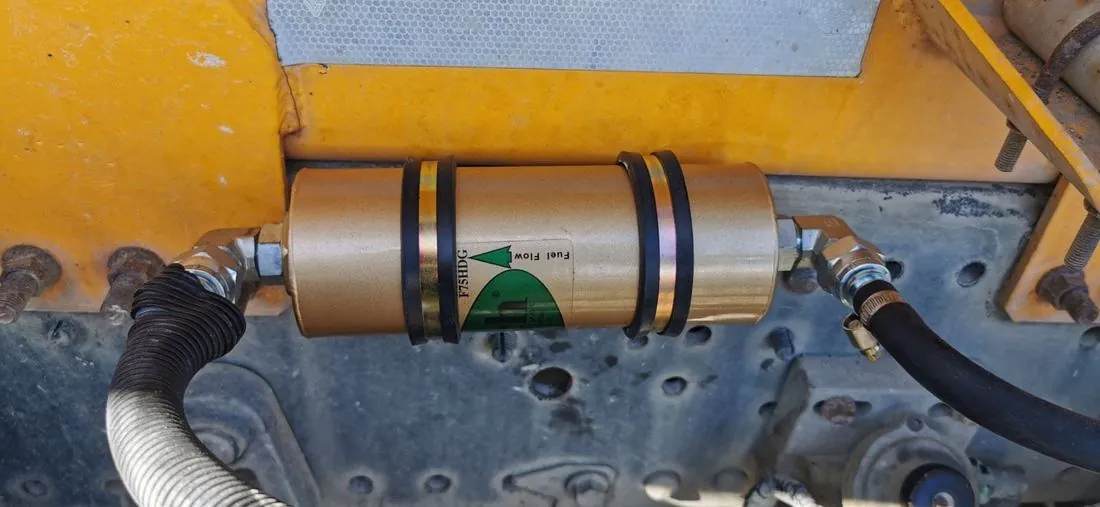
Fits on the fuel line ahead of the engine or burner. It needs no power, has no moving parts, requires no change to the engine and adds nothing to the fuel.
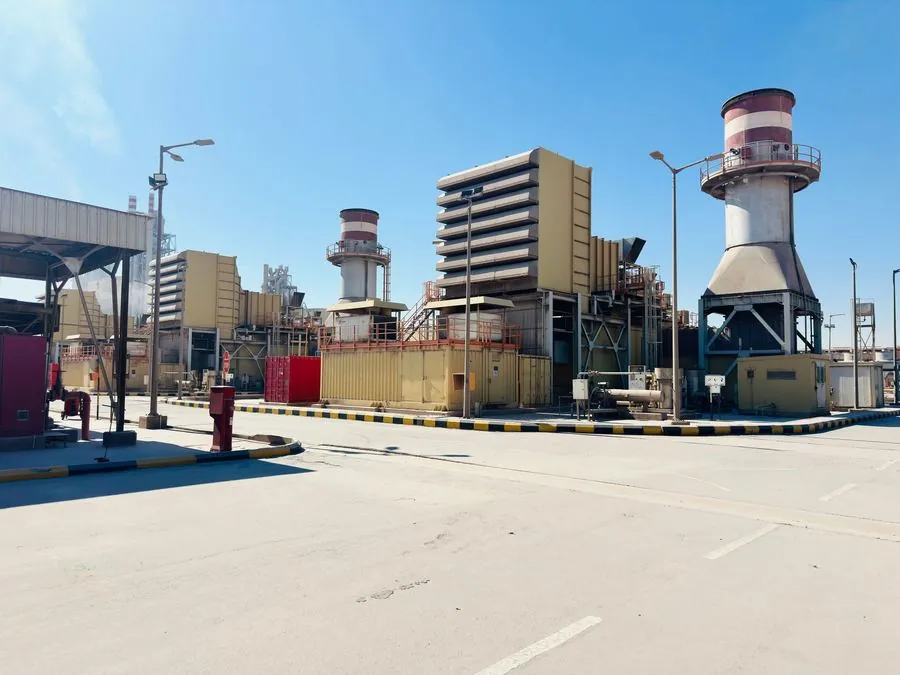
For diesel, heavy fuel oil and natural gas.
The fuel level sensor
Measures the fuel level continuously and sends an alert on any sudden or unexplained drop.
The GPS tracker
Sends each vehicle's location, route and stop times, and alerts you when it leaves its route or idles for long.
Lower emissions with every liter saved.
On two trucks in Dubai, TASJEEL, an independent testing body, measured exhaust smoke opacity 67% to 76% lower after Comet was fitted.
TASJEEL measurements on two Imdaad trucks, 14 December 2021 and 18 January 2022. Opacity measures how dense the visible exhaust smoke is. It is not a measure of the mass of emissions.
Every 1,000 liters of diesel you save cuts your emissions by 2.68 tonnes of CO2.
Illustration based on the refuse truck test
Every truck, as it moves.
Every vehicle on the map with its location, speed and approved route.
An alert when a truck leaves its route.
You get the time and the place, with the approved route on the map.
An alert for long idling.
You get the place and the duration. An idling engine burns fuel and does no work.
A report for every trip at the end of the day.
The actual route, stops, delays and fuel use, in one report.

2:14 a.m.190 liters missing from the tank.
No one is on site. The tank sensor records the drop and the platform sends you the alert.
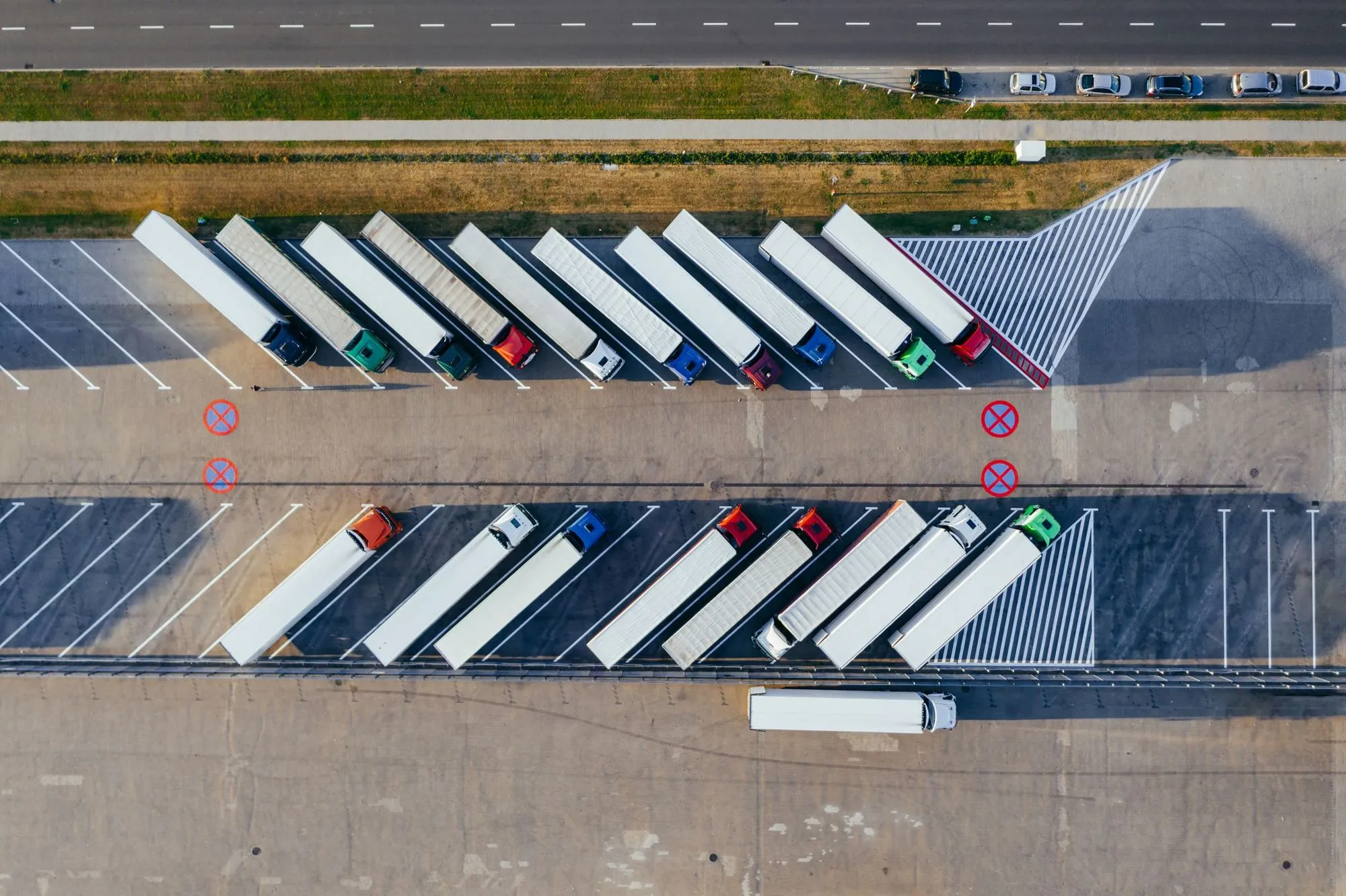
Your whole fleet on one screen.
Every truck with its place, tank level and status. Whatever needs your attention comes first.
Every liter saved lowers your operating cost.
Adjust the figures to match your fleet.
A worked example, not a commitment. A 7% saving, diesel at SAR 1.79 per liter (Aramco, January 2026), and 2.68 kg of CO2 per liter. The five-year figure assumes the same use, diesel price and saving rate every year.
Documented results.
Further results are available on request.
Fitted on working equipment.
The Comet catalyst during and after installation. Photos courtesy of Comet.
Comet CFSS catalyst units
Catalyst on a truck fuel line
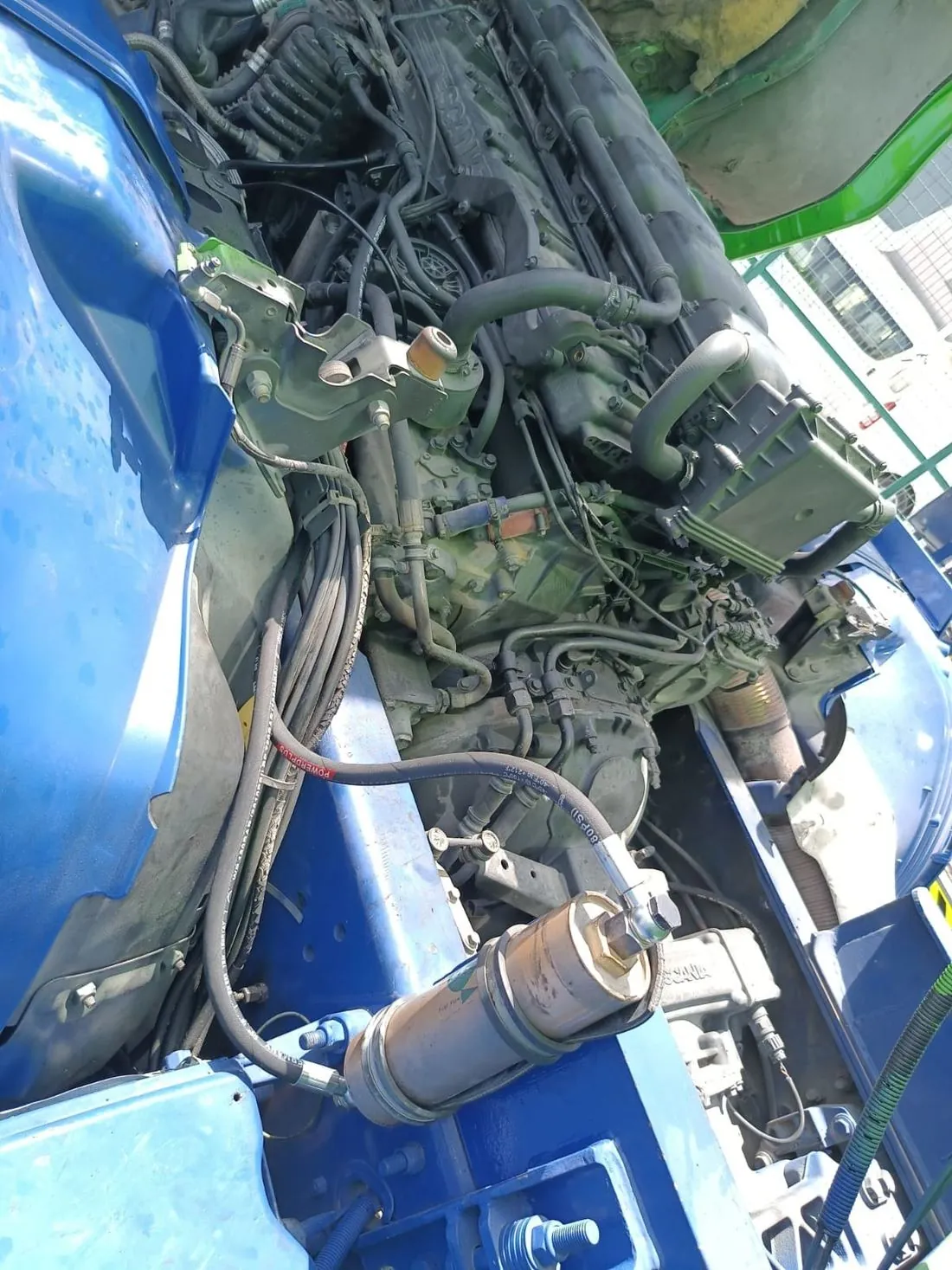
Catalyst in an engine bay
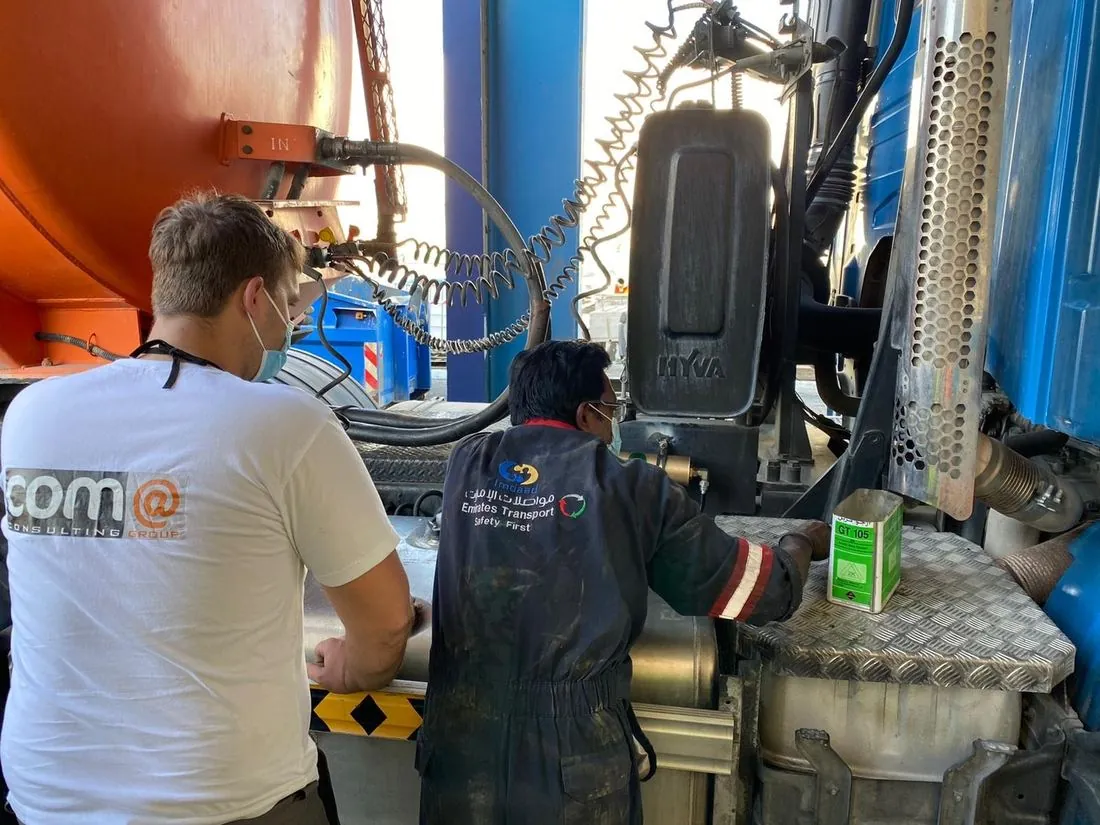
Fitting on a truck
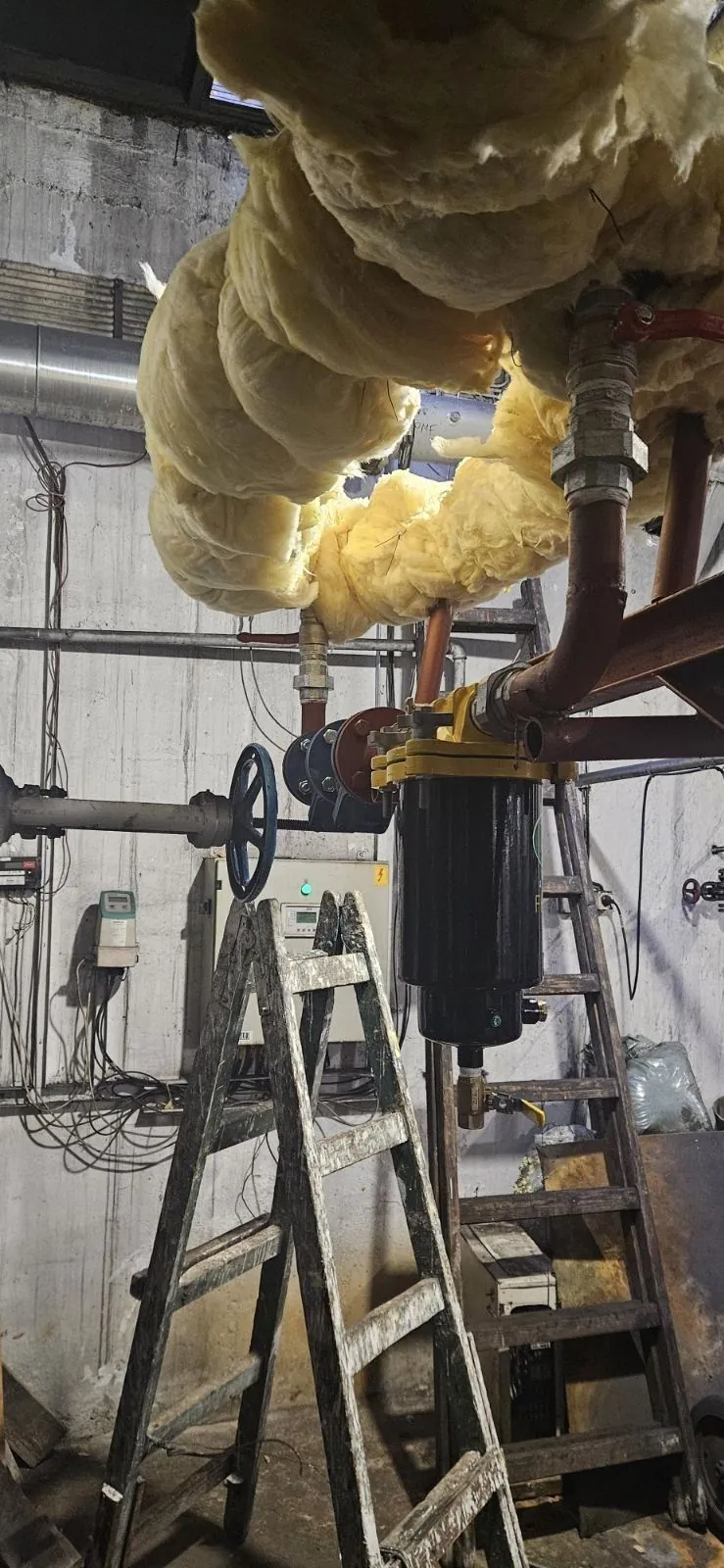
On a heavy fuel oil line
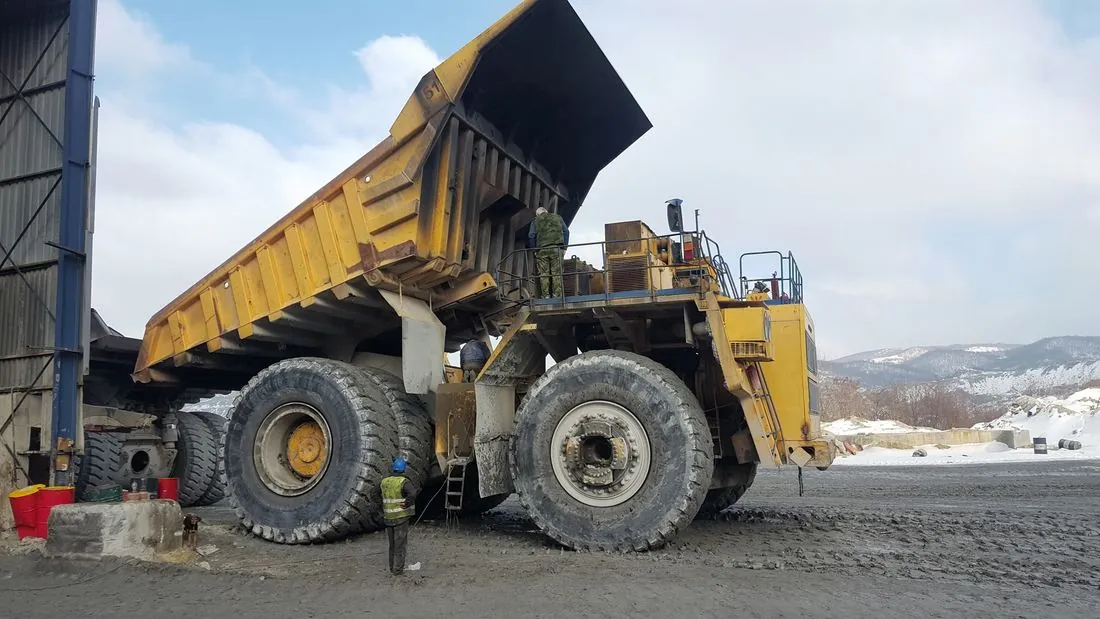
Mining truck
Who is it for?
Three steps. Measured, not estimated.
We measure
We measure your equipment's fuel use before fitting.
We fit
We fit the catalyst on the fuel line.
We compare
We measure again and report the difference to you.
We agree the minimum saving with you in writing before we start.

Tell us about your fleet.
Answer four questions and we will send you a measurement plan for your fleet.